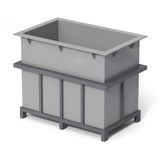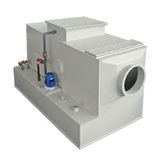
It is impossible to imagine a modern household without kitchen appliances and various cooking devices.
However, along with comfort and convenience, new challenges arise, such as the need for effective kitchen waste management. One of the most important devices for ensuring environmental friendliness and safety of the sewage system is a grease trap. In this post, we'll look at what grease traps are, how they work, and why installing them is important for households.
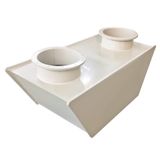
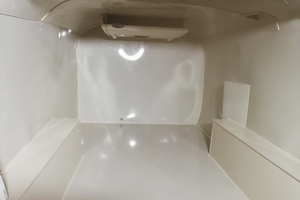
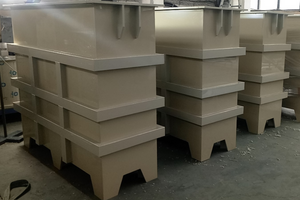
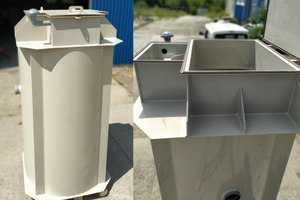
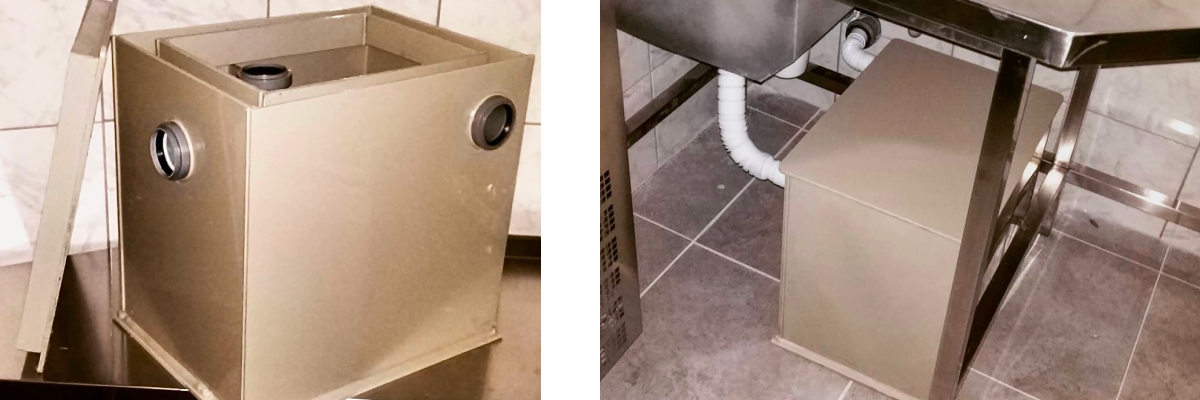
A grease trap is a special device designed to separate and retain fats, oils, and other fat-soluble substances that enter the wastewater during cooking and dishwashing. It is installed in the drainage system, usually under the sink or at the exit from the kitchen.The grease trap works based on the difference in density between water and grease.
Advantages of installing a grease trap:
- Protection of the sewer system. Fats and oils can accumulate on the walls of pipes, which leads to their clogging and reduced throughput. A grease trap helps to avoid these problems, ensuring the normal functioning of the sewer system.
- Reducing the risk of flooding. Clogged pipes can lead to flooding of the kitchen and other rooms. The use of a grease trap helps to avoid such situations.
- Environmental safety. Fats and oils can harm ecosystems when they get into water bodies. The use of a grease trap helps to reduce the negative impact on the environment.
- Reducing unpleasant odors. Fat deposits in pipes can be a source of unpleasant odors. A grease trap helps prevent their formation.
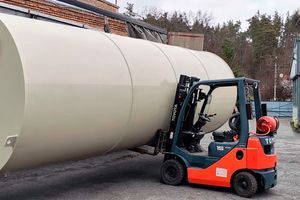
The installation of a grease trap usually does not require complex technical skills, but for perfect operation, FORP offers not only the manufacture of a grease trap according to your request and needs, but also a proper turnkey installation.